Welcome to Part 8 of my monthly series: "The 2027 Vision: A Firuzeh Saidi Strategy Series". In the series, I’ll be sharing firsthand insights into how this global spotlight will refine our luxury market, impact our urban fabric, and create new opportunities for residents and investors alike. I hope you find value in it!
Cultural Investment & Real Estate Trends
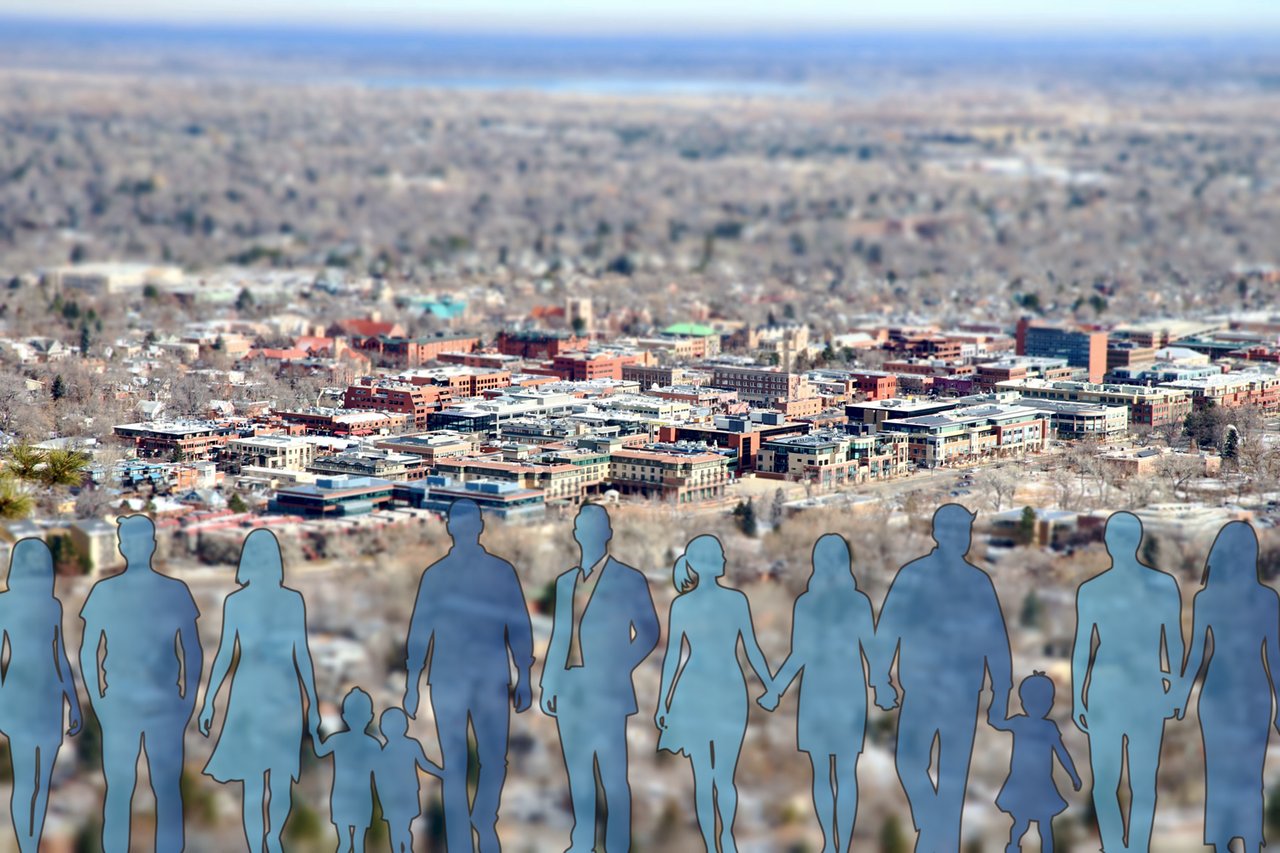
Market fundamentals in Boulder are uniquely fused with its cultural output, creating a real estate market where lifestyle infrastructure acts as a primary economic driver. When we look at the data for 2026, one trend is clear: luxury buyers are moving toward Cultural Investment. They are looking for markets that offer stability through "lifestyle infrastructure"—high-performing schools, design-forward dining, and immediate walkability to world-class arts venues.
Data-Driven Insights: Quantifying the Cultural Capital
Market fundamentals remain key, but in a city like Boulder, those traditional metrics—supply, demand, velocity, and pricing power—are directly tied to our cultural output. Here is how Boulder’s creative identity drives its core real estate fundamentals:
- Insulated Scarcity Premiums: Boulder's geographic boundaries and strict growth management tools already restrict new housing inventory. When you layer on high-value cultural developments, the competition for proximity to these hubs intensifies. This drives premium appreciation rates that consistently outperform baseline national trends.
- Decoupling from Macroeconomic Volatility: Traditional real estate markets fluctuate based strictly on interest rates and corporate shifts. Boulder’s rich ecosystem of international events—like the Conference on World Affairs and the upcoming Sundance 2027—creates a highly resilient "lifestyle hedge." This cultural density keeps local property demand consistently high, even during broader market corrections.
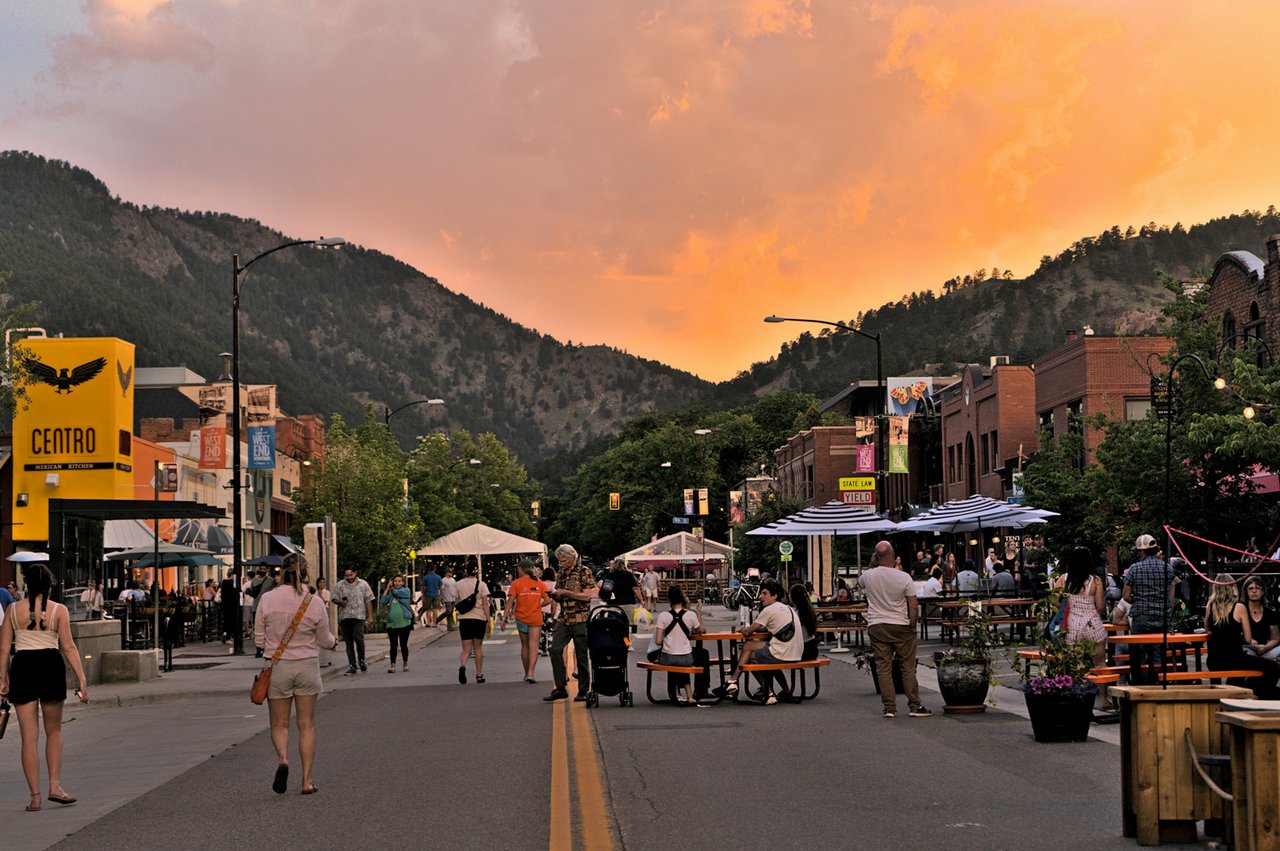
- Accelerated Days on Market (DOM): Properties situated within walkable, arts-centric micro-climates experience significantly lower days on market. Buyers are willing to transact faster and pay a premium for the rare luxury of immediate, car-free access to galleries, theater, and premium culinary spaces.
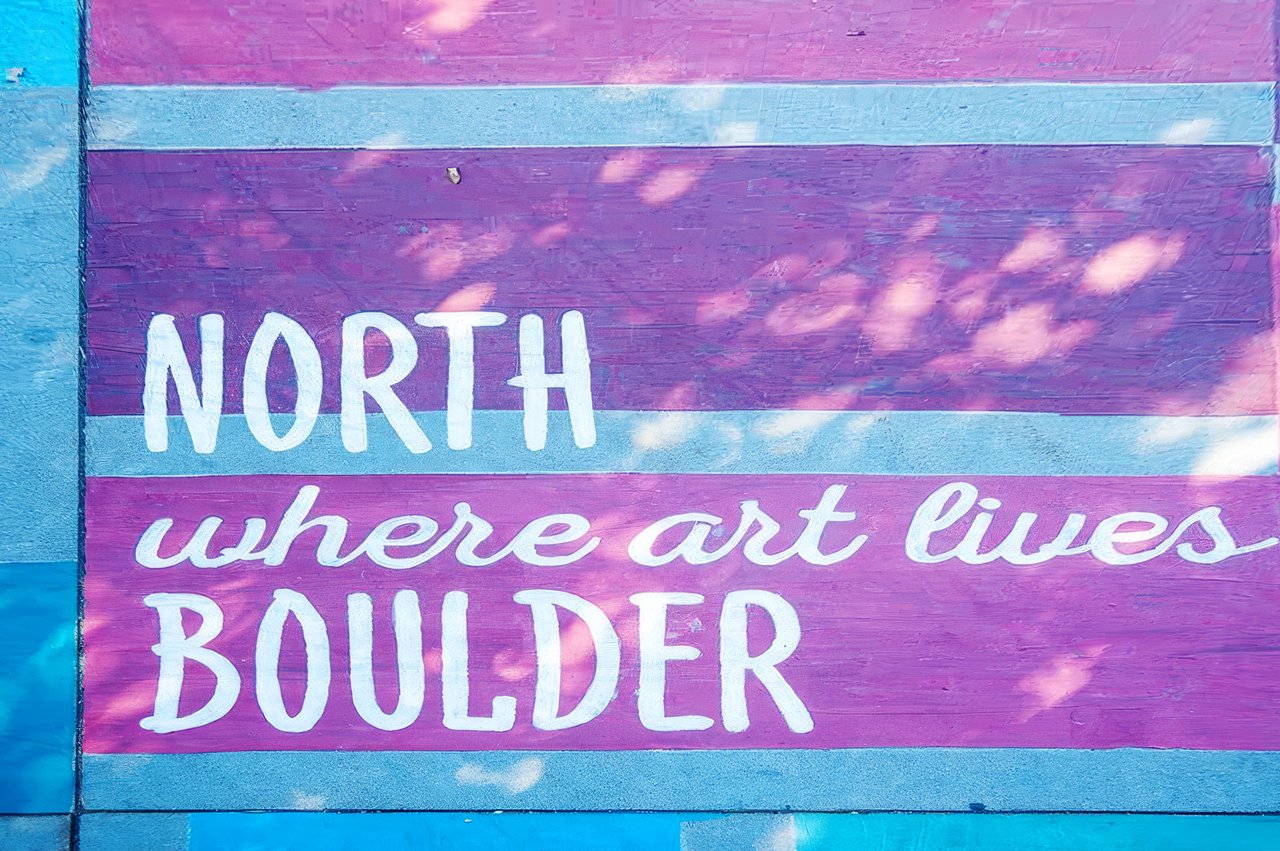
- Sustained Commercial Lease Velocity: A thriving cultural calendar ensures year-round foot traffic, which translates directly to low commercial vacancy rates and high retail tenant retention in areas like the Pearl Street Mall and the NoBo Art District.
Capital Inflow: Hospitality and Cultural Center Developments
This intersection of market strength and creative output is directly visible in the city's current development pipeline. Institutional capital is flowing heavily into lifestyle infrastructure to capture the demands of a culturally driven population:
- The St. Julien Hotel & Spa Expansion: Boulder City Council recently approved a major site amendment for the St Julien Hotel & Spa's landmark downtown property. This four-story, 55-foot-tall expansion will add 39 premium extended-stay guest suites and a dedicated 8,400-square-foot first-floor meeting and event facility. Designed with an agreement to offer discounted space for local nonprofits, exhibitions, and performances, it stands as a prime example of how commercial real estate is evolving to meet community-centric cultural demands.
- New Lifestyle Hotels: The recent additions of highly curated properties like the Moxy Boulder University and the Limelight Hotel Boulder demonstrate hoteliers' confidence in Boulder's ongoing draw for affluent, culturally minded travelers. These spaces are deliberately positioned near creative and educational epicenters to capture year-round travel velocity.
- East Boulder Cultural Venues: In tandem with hospitality growth, massive master-planned proposals like the 11-acre Pearl Arts District are redefining East Boulder. By integrating 55,000 square feet of dedicated arts space, a 2,500-seat performing arts venue, and a 165-room boutique hotel, developers are physically building real estate value around cultural destinations.
My clients want to know how a global festival arrival, a major hotel addition, or an urban arts expansion will impact their property value five years down the road. In Boulder, culture isn't just an amenity—it is the foundation of our real estate market's long-term strength.
“My clients depend on me for Boulder-focused insights grounded in data and community involvement.” – Firuzeh
Conclusion: Designing a Legacy of Value
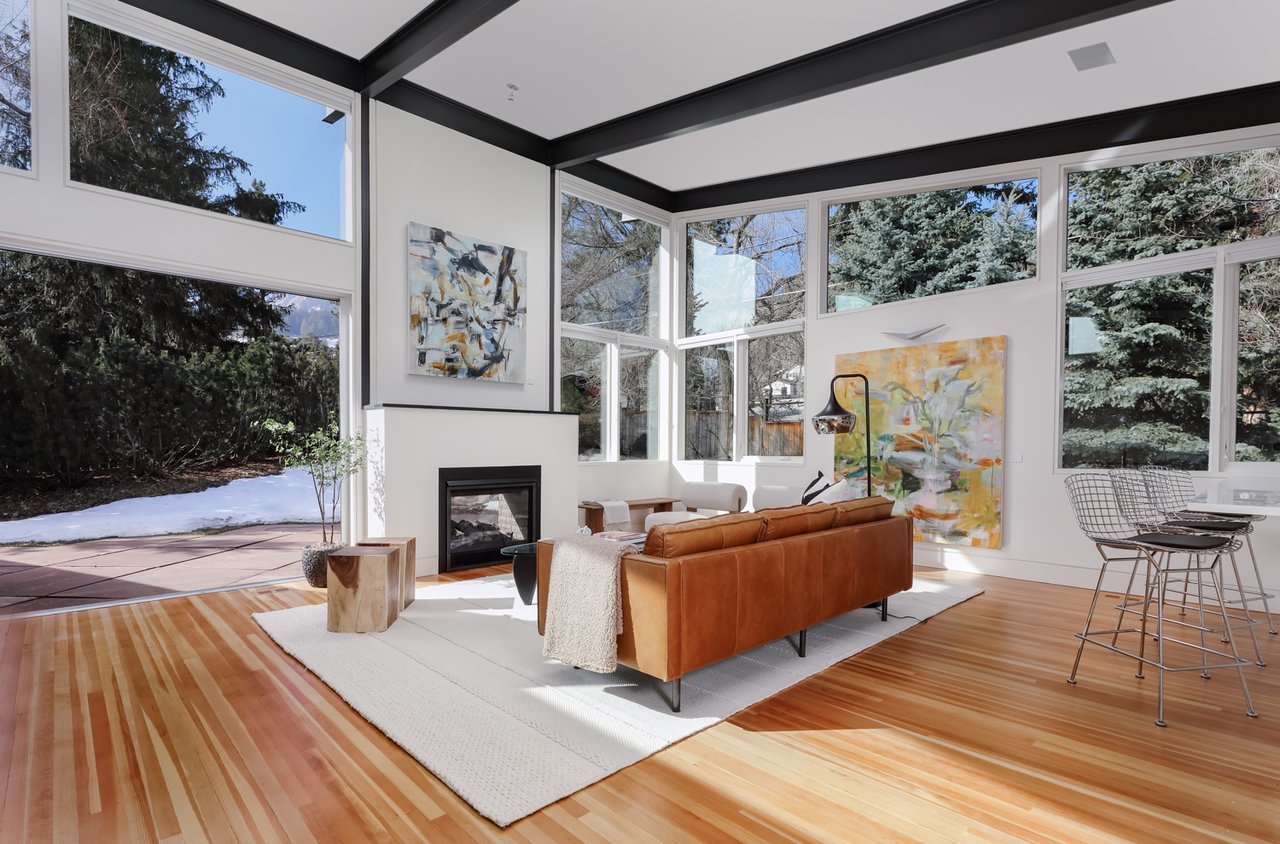
The transformation ahead is about more than welcoming world-class festivals, luxury hotel expansions, or historic district growth. It is about a fundamental shift in how we define long-term property value. True luxury is no longer measured solely by square footage, but by immediate access to community, creativity, and shared human experiences.
As Boulder solidifies its infrastructure to match its global reputation, the real estate market will continue to reward properties that offer this irreplaceable sense of place. Investors and homeowners who recognize this intersection of culture and capital today are positioning themselves at the forefront of Boulder’s next great economic chapter.
Want to navigate Boulder’s evolving real estate landscape?
Whether you are looking to invest in a design-forward micro-climate or find your place within our vibrant arts community, let’s connect. I provide data-driven market insights deeply rooted in local involvement.
Contact Firuzeh Today to Discuss Your Boulder Real Estate Goals