
Welcome to Part 12 of my monthly series: "The 2027 Vision: A Firuzeh Saidi Strategy Series". In the series, I’ll be sharing firsthand insights into how this global spotlight will refine our luxury market, impact our urban fabric, and create new opportunities for residents and investors alike. I hope you find value in it!
Deep Dive into Chautauqua & Lower Chautauqua
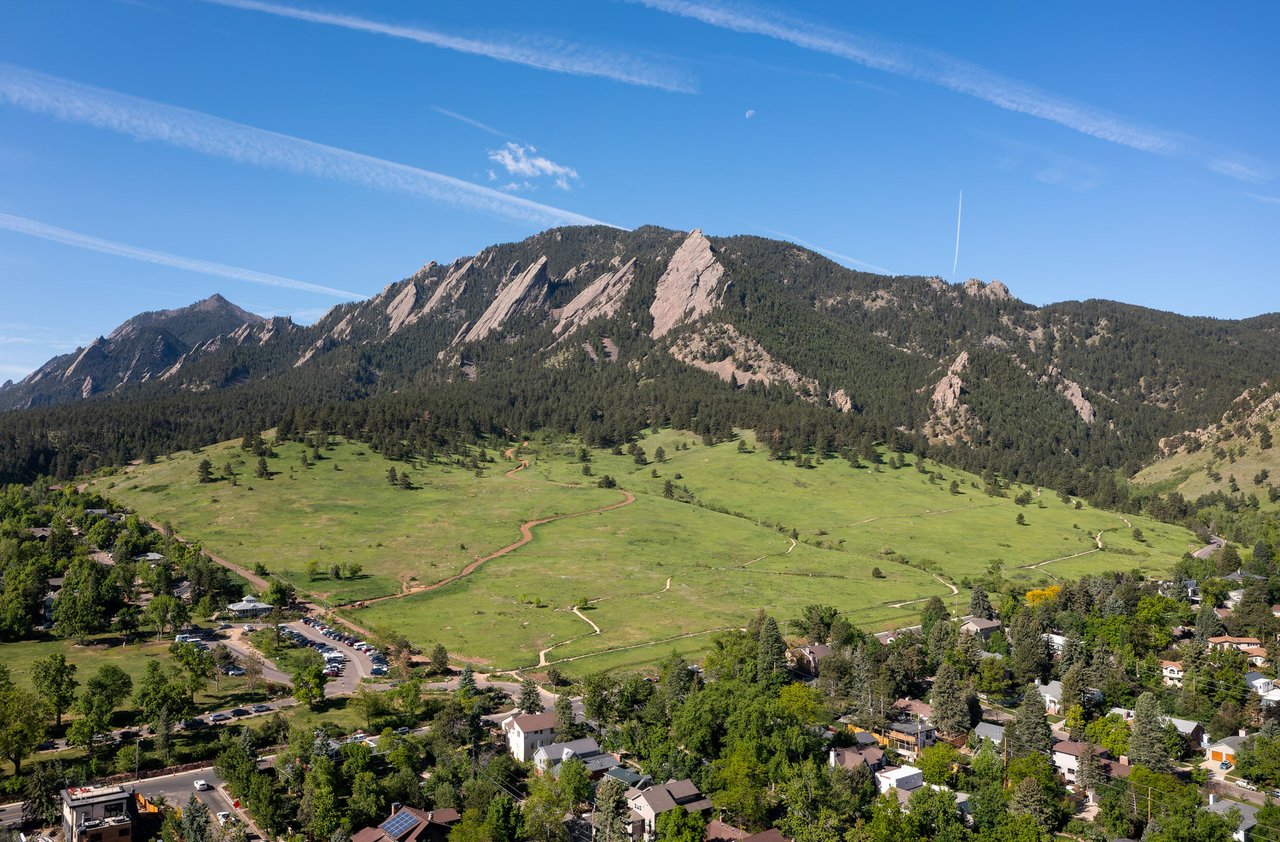
Nestled directly against the dramatic rise of the Flatirons, the Chautauqua and Lower Chautauqua neighborhoods represent one of Boulder’s most iconic and sought-after enclaves. As the cultural momentum of the Sundance Film Festival expands its footprint across the city—highlighting legendary performance venues like the historic Chautauqua Auditorium—this area is uniquely positioned at the heart of Boulder's evolving artistic scene. Combining historic architectural heritage, immediate access to world-class trail networks, and a rich cultural identity, this neighborhood offers a lifestyle that seamlessly fuses arts, community, and outdoor living.
Navigating a market defined by historic preservation standards, architectural distinction, and highly competitive inventory requires hyper-local mastery. As the premier specialist for Chautauqua real estate, Firuzeh Saidi brings unmatched insight into navigating landmark preservation guidelines, valuation trends, and off-market opportunities across both Chautauqua and Lower Chautauqua.
Architectural Significance & Historic Preservation
The architectural fabric of Chautauqua is unlike any other in Boulder. Centered around the historic Colorado Chautauqua—designated a National Historic Landmark in 2006—the neighborhood is celebrated for its cohesive, rustic resort design and historic homes.
- Historic Cottages & Craftsman Homes: Properties throughout Chautauqua feature porch-centered designs, horizontal wood siding, overhanging eaves, stone fireplaces, and raised foundations built to adapt to the area's natural slope.
- Landmark Guidelines & Preservation Expertise: Renovating or restoring homes within designated landmark zones requires strict adherence to Boulder's Landmark Alteration Certificate review process. Firuzeh’s deep familiarity with historic setbacks, massing requirements, and design guidelines ensures buyers and sellers navigate these regulations with confidence.
- Lower Chautauqua Character: Extending toward University Hill and Baseline Road, Lower Chautauqua transitions into larger single-family residences, expanded craftsman bungalows, and elegant mid-century rebuilds—many offering panoramic views and expansive private lots.
Chautauqua Park & Rich History
First opened on July 4, 1898, the Colorado Chautauqua is the only site west of the Mississippi River continuously operating as a Chautauqua since its inception.
- Cultural Anchor: Built as part of the late-19th-century adult education movement, the park remains a cultural sanctuary focused on music, lectures, and nature.
- The Chautauqua Auditorium: Constructed in 1898, this historic wooden venue is renowned for its acoustic clarity and serves as a central hub for concerts, film screenings, and cultural festivals. As venue footprints expand throughout Boulder, properties near the Auditorium enjoy a prime position near the heart of the city's artistic scene.
Open Space Trails & Natural Beauty
Chautauqua serves as the primary gateway to Boulder's Open Space and Mountain Parks (OSMP) system, offering residents backyard access to over 40 miles of maintained trails winding into the Flatirons.
- Iconic Trailheads: Immediate access to the First & Second Flatiron Trail, Chautauqua Trail, Royal Arch, and the Mesa Trail.
- Protected Viewsheds: Designed landscapes, sweeping green lawns, and native pine groves frame direct, unobstructed vistas of the Flatirons—a landscape praised in 1911 by landscape architect Frederick Law Olmsted Jr. for its seamless blend of refined grounds and wilderness.
Demographic & Psychographic Profile
Chautauqua is one of Boulder's most prestigious residential markets, attracting long-term homeowners, active outdoor enthusiasts, and arts patrons.
Metric/Attribute and its Neighborhood Profile
- Real Estate Market: Premium luxury market with median home values typically ranging from $1.8M to over $3.5M+ depending on lot size, historical designation, and proximity to the park.
- Household Income: High purchasing power, with average family incomes exceeding $180,000+ annually.
- Psychographics & Lifestyle: Passionate about historic preservation, environmental conservation, outdoor sports (trail running, hiking, climbing), and local cultural events.
- Demographic Mix: A blend of established professionals, university faculty, leaders, and families drawn to top-rated school districts and tree-lined streets.
Guide to Buying in Chautauqua and Lower Chautauqua
Buying a home in the Chautauqua and Lower Chautauqua neighborhoods places you in one of the most protected, high-demand, and architecturally distinct micro-markets in Colorado.
Understanding both the financial landscape and the regulatory framework is essential for prospective buyers, investors, and homeowners.
1. Latest Home Market Trends (Chautauqua & Lower Chautauqua)
The Chautauqua market remains tight, resilient, and highly valued due to geographic constraints (the Flatirons and Open Space borders prevent outward expansion) and strict historic preservation rules.
- Median Sale Price Range: Depending on lot size, exact proximity to Chautauqua Park, and whether a home is a historic cottage or a modernized custom build, median sale prices typically range from $1.8M to $2.3M+, with landmarked or expanded luxury properties frequently exceeding $3.5M to $5M+.
- Constrained Inventory & Low Turnover: Inventory remains exceptionally low. Chautauqua properties are often held long-term, leading to high competition when well-maintained or prime-location lots hit the market.
- Sale-to-List Ratios: Turnkey and historically updated homes priced accurately sell near or at full ask. Fixer-uppers or unrenovated structures face scrutiny due to the perceived complexity of historic permitting, often adjusting slightly below list price.
- Price Per Square Foot: Square footage values range from $650 to over $1,100/sq ft, driven significantly by viewshed quality (direct, unobstructed Flatirons views) and outdoor living spaces.
2. Architectural Preservation & Regulatory Guidelines
If you buy a home within designated landmark zones, historic districts, or properties over 50 years old in Boulder, property alterations are governed by the City of Boulder Landmarks Board and Historic Preservation Department.
Landmark Alteration Certificate (LAC)
For any property designated as an individual landmark or located within a historic district, all exterior alterations—from roof replacements and solar panel additions to window swaps, porch builds, and structural additions—require an approved Landmark Alteration Certificate (LAC) before building permits are issued.
Core Preservation Guidelines
- Scale, Massing & Height: Additions or rebuilds must maintain the historic scale of the neighborhood. Large, towering second-story additions that overpower original streetscapes or block public views of the Flatirons are strictly regulated.
- Materials & Detail: Original features (such as horizontal wood siding, stone foundations, exposed rafters, and original porch designs) must be preserved or replaced with matching period-appropriate materials. Vinyl siding or out-of-character modern exterior finishes are generally prohibited.
- Fenestration & Windows: Replacing original wooden windows with modern vinyl or alternative grid patterns requires explicit LAC approval. Preservation boards generally favor repairing existing historic windows or installing visually matching wooden replacements.
- Demolition Review: Structures over 50 years old that are not yet officially designated as landmarks are subject to a Historic Preservation Demolition Review to determine historical significance before any teardown or partial demolition can proceed.
Strategic Advice for Buyers
- Perform Historic Due Diligence: Always verify whether a prospective home falls within an official Historic District or has individual landmark status during your inspection and contingency period.
- Consult Preservation Specialists Early: Partnering with real estate experts like Firuzeh Saidi and experienced local historic architects ensures you understand what modifications, expansions, or energy retrofits (e.g., solar panels, heat pumps) can be approved under Boulder's design guidelines.
- Budget for Specialty Craftsmen: Restoring or updating historic Chautauqua cottages often requires specialized trades trained in historic millwork, masonry, and period-accurate window restoration.
Partnering with Firuzeh Saidi
Firuzeh treats every property as a piece of history and a work of art that demands a high standard of care. The following is a snapshot of her track record with architecturally significant homes in the Chautauqua and Lower Chautauqua neighborhoods:
- 819 6th Street (The Labrot House): Originally designed by award-winning architect Hobart D. Wagener, built in 1954 for abstract photographer Sylvester Labrot, and meticulously remodeled by Boulder's own architect Cheri Belz, its Mid-Century Modern aesthetic evokes Frank Lloyd Wright's Usonian style.
- 555 13th Street: Also originally designed by Hobart D. Wagener, built in 1969, and meticulously renovated in 2021, the home’s Mid-Century Modern lines meet flawless contemporary updates.
- 733 13th Street: Designed in 1949 by pre-modernist local architect Glen H. Huntington—who also designed the Boulder County Courthouse and Boulder Bandshell—this well-crafted brick bungalow abounds with architectural details. Mature trees and custom landscaping surround this property, serving as signatures of a classic Mid-Century Boulder home.
- 517 15th Street: Built in 2008 by renowned Boulder architect Harvey Hine, this home is made up of a restored 1900s cottage and a nautilus-shaped pod addition. The expansive open layout perfectly harmonizes the best of both modern home and 1914 farmhouse aesthetics.
- 750 Cascade Avenue: A contemporary mountain retreat with rich rustic elements. Boulder architect Glen H. Huntington designed the original house for his family in 1925, which underwent a 1945 expansion and a meticulous 2005 renovation aligned with Huntington's original vision.
Whether you are seeking a quiet, historic retreat steps from the trails or looking to position your property in one of Boulder's most valuable enclaves, working with a true neighborhood authority makes all the difference. Firuzeh Saidi provides tailored advice, deep market knowledge, and curated property access across Chautauqua and Lower Chautauqua.
“Where Sundance lives, interest follows—let’s find your place in Boulder’s future.” – Firuzeh Saidi
Contact Firuzeh Saidi today to schedule a personalized consultation, discuss market opportunities, or curated properties tailored to your vision.